Best Pet Insurance in USA 2026

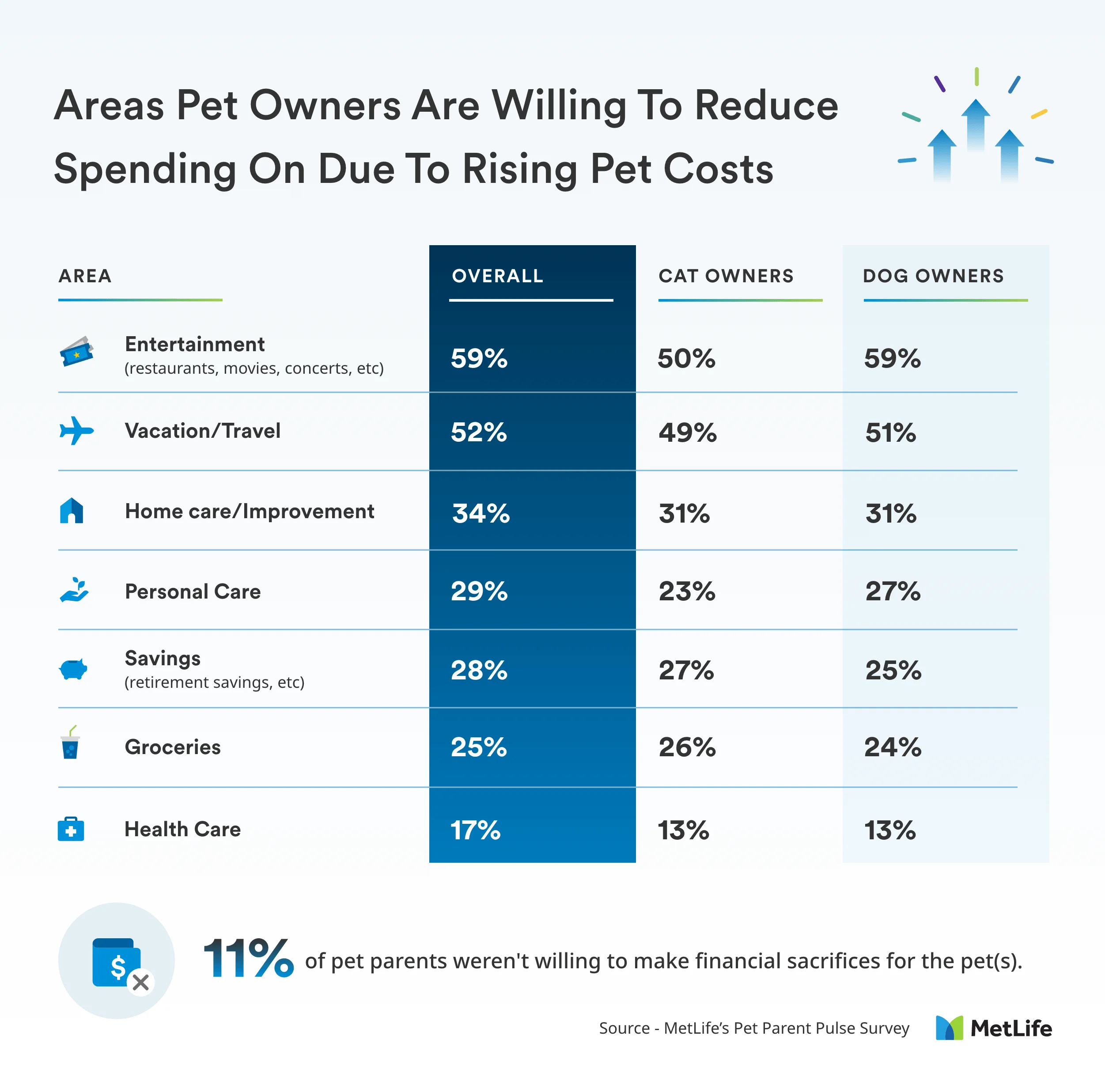
Pet ownership in America has changed. Pets are no longer just animals living in our homes. They’re family. And when family members get sick or injured, we don’t hesitate to seek the best care available. The problem is cost. Veterinary bills in the United States have climbed steadily, and advanced treatments that once seemed rare are now common.

That’s where pet insurance in USA enters the picture.

In 2026, pet insurance isn’t a luxury or a niche product. It’s becoming a practical financial tool for responsible pet owners. But choosing the right plan is not simple. Policies differ wildly. Fine print matters. And flashy ads don’t always tell the full story.

Let’s break it down. This guide walks you through how pet insurance works in the US, what’s changed in 2026, and which providers stand out right now, without hype or vague promises.
https://images.ctfassets.net/440y9b545yd9/7sHO5WMAJ3NdzAFcJVzJxp/7f4ed2fe15b95d1055001bbe177c83b5/Pet-Insurance-101-Infographic-1.jpg

Why Pet Insurance in USA Matters More Than Ever

https://www.vet.upenn.edu/wp-content/uploads/2024/12/surgery-e1740949228749.jpg
https://emergencyvetsusa.com/wp-content/uploads/2020/03/Emergency-Vets-USA-logo.png
https://www.metlifepetinsurance.com/content/dam/metlifecom/us/metlifepetinsurance/images/image-6-metlife-pet-min.webp

4

Here’s the thing. Veterinary medicine has advanced fast. MRIs, cancer treatments, orthopedic surgeries, and long-term medications are now routine. That’s good news for pets. It’s also expensive.

A few real numbers put things in perspective:

  • Emergency surgery can run $3,000 to $7,000
  • Cancer treatment often exceeds $10,000
  • Chronic conditions like diabetes or arthritis can cost thousands every year

Most American households are not prepared for that kind of surprise expense. Pet insurance in USA fills that gap. It allows owners to say yes to treatment based on what’s best for the animal, not what’s cheapest.

In 2026, insurers are also improving coverage options. Wellness add-ons, faster claims, and broader acceptance of older pets are becoming more common.


How Pet Insurance in USA Actually Works

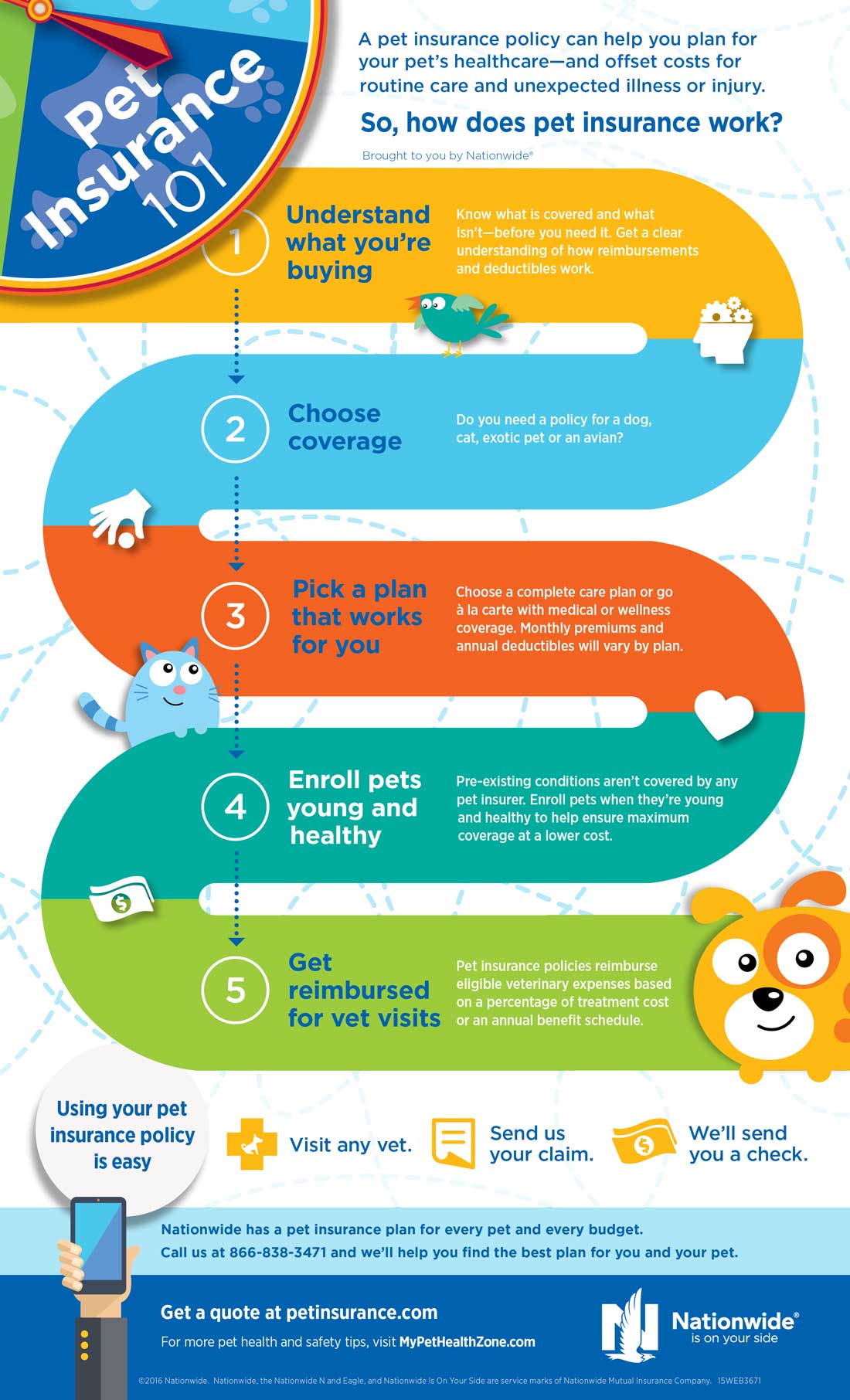
Pet insurance doesn’t work like human health insurance. There’s no direct billing in most cases. Instead, you pay the vet first, submit a claim, and get reimbursed.

Here’s the basic structure:

  1. Monthly premium
    What you pay every month to keep coverage active
  2. Deductible
    The amount you pay out of pocket before reimbursement kicks in
  3. Reimbursement rate
    Usually 70%, 80%, or 90% of eligible costs
  4. Annual or lifetime limits
    The maximum amount the insurer will pay

Coverage generally includes:

  • Accidents
  • Illnesses
  • Surgeries
  • Hospitalization
  • Diagnostic tests
  • Prescription medications

What it usually does not include:

  • Pre-existing conditions
  • Cosmetic procedures
  • Breeding-related care

Understanding these basics makes comparing pet insurance in USA far easier.


What’s New With Pet Insurance in USA for 2026

The pet insurance market has matured. In 2026, several trends stand out:

  • Higher annual limits, including unlimited plans
  • Faster claim processing, often within days
  • Expanded coverage for older pets
  • Optional wellness and preventive care add-ons
  • Better mobile apps and digital claim tracking

Competition has pushed insurers to simplify policies and improve transparency. That’s good for consumers, but only if you know what to look for.


Best Pet Insurance Providers in USA 2026

https://americanpetinsurance.com/images/apic-logo.png
https://d1s4x43kddxec0.cloudfront.net/images/pawlicy-open-graph-image-v2.png
https://media-cldnry.s-nbcnews.com/image/upload/newscms/2018_37/2562501/checkbook_graphic_2_-_rating_companies.jpg

4

Below are the top providers for pet insurance in USA in 2026, based on coverage quality, pricing flexibility, claim experience, and reputation.


Healthy Paws

Healthy Paws remains a leader for one reason: simplicity.

Why it stands out

  • Unlimited lifetime benefits
  • Fast claims processing
  • Covers alternative treatments like chiropractic care

Things to know

  • No wellness plans
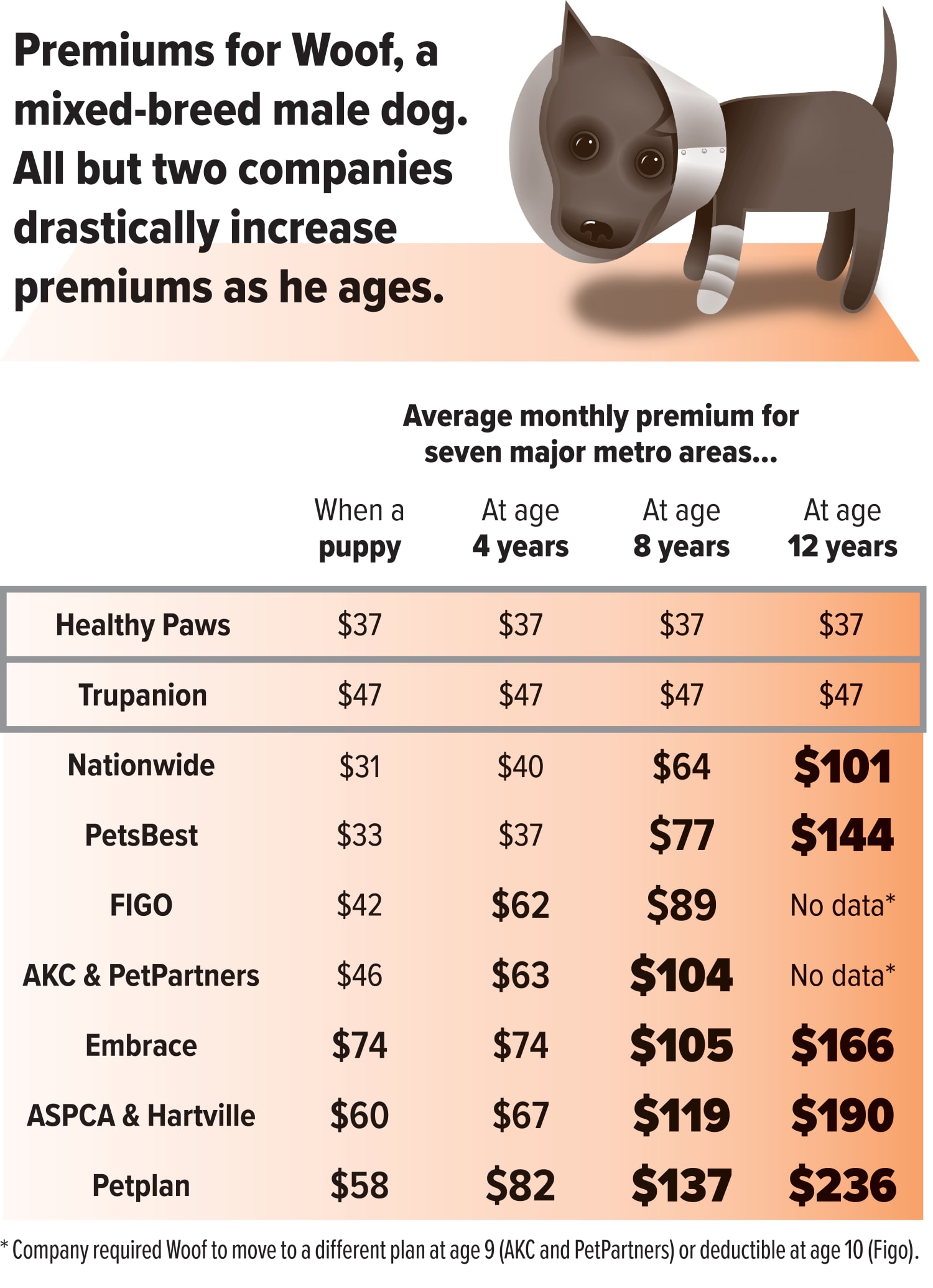
  • Premiums increase with age

Healthy Paws works best for owners who want strong accident and illness coverage without distractions.


Lemonade Pet Insurance

Lemonade brings a modern, app-first approach to pet insurance in USA.

Why it stands out

  • Affordable base plans
  • Customizable coverage
  • Excellent mobile experience

Things to know

  • Requires bundling with renters or homeowners insurance in some states
  • Newer to pet insurance than some competitors

For tech-savvy owners who want control and transparency, Lemonade is hard to ignore.


Embrace

Embrace offers some of the most flexible plans in the market.

Why it stands out

  • Adjustable deductibles and reimbursements
  • Wellness rewards program
  • Covers behavioral therapy

Things to know

  • Annual limits apply unless you choose higher tiers
  • Slightly more complex policies

Embrace is ideal if you want to fine-tune coverage around your budget.


Trupanion

Trupanion focuses on serious medical care.

Why it stands out

  • No payout limits
  • Direct vet payments at participating clinics
  • Per-condition deductibles

Things to know

  • Higher premiums
  • No wellness coverage

Trupanion is popular among owners of breeds prone to genetic conditions.


Nationwide Pet Insurance

Nationwide is one of the oldest names in pet insurance in USA.

Why it stands out

  • Exotic pet coverage
  • Comprehensive wellness options
  • Wide availability

Things to know

  • Benefit schedules on some plans
  • Claims may take longer

Nationwide works well for households with multiple or unusual pets.


Comparing Pet Insurance in USA: What Actually Matters

Price alone doesn’t tell the story. Here’s what deserves your attention.

Coverage Depth

Does the policy cover chronic conditions? Genetic issues? Cancer treatments?

Deductible Structure

Annual deductibles reset once per year. Per-condition deductibles can be better for long-term illnesses.

Reimbursement Speed

Waiting weeks for reimbursement defeats the purpose.

Exclusions

Read the list. Carefully. Pre-existing conditions are standard exclusions, but definitions vary.


Pet Insurance for Dogs vs Cats in USA

Dogs usually cost more to insure. They’re more accident-prone and tend to develop breed-specific issues.

Cats, on the other hand, are cheaper to insure but often underinsured. Indoor cats still face risks like urinary blockages or kidney disease.

In both cases, enrolling early reduces exclusions and lowers premiums long-term.


Is Pet Insurance in USA Worth It?

Let’s be honest. Some owners will never file a major claim. Others will save tens of thousands of dollars.

Pet insurance makes sense if:

  • You want predictable expenses
  • You’d struggle with large emergency bills
  • Your pet is young, active, or breed-prone to illness

It’s less useful if:

  • You have a large emergency fund
  • Your pet is already elderly with known conditions

For most Americans, though, pet insurance in USA provides peace of mind that’s hard to price.


Common Mistakes Pet Owners Make

  1. Waiting too long to enroll
  2. Ignoring exclusions
  3. Choosing the cheapest plan blindly
  4. Skipping dental and chronic care coverage
  5. Assuming all vets accept direct billing

Avoid these, and you’re already ahead.


How to Choose the Best Pet Insurance in USA for Your Needs

Ask yourself:

  • Can I handle a $5,000 surprise bill?
  • Does my pet have breed-specific risks?
  • Do I want wellness coverage or just emergencies?
  • How much paperwork am I willing to deal with?

The right plan balances cost, coverage, and convenience.


The Future of Pet Insurance in USA

By 2030, pet insurance adoption is expected to double. AI-driven diagnostics, genetic testing, and personalized premiums are already on the horizon.

In 2026, though, the biggest advantage remains simple: financial freedom to care for your pet properly.


Final Thoughts

Pet insurance in USA is no longer optional for many households. It’s a practical response to rising veterinary costs and better medical options for pets.

The best plan isn’t the most expensive or the most advertised. It’s the one that fits your pet’s life and your financial reality.

Take your time. Read the fine print. And choose with clarity.

Your pet depends on you.

Car Insurance Trends Shaping the USA in 2026

Car insurance in the USA is not what it used to be. And by 2026, the shift is impossible to ignore.

Here’s the thing. Car insurance has always been reactive. You bought a policy, paid a premium, and hoped you never had to use it. In 2026, car insurance is becoming something very different. It’s data-driven, personalized, tech-heavy, and deeply tied to how, when, and even where you drive.

This isn’t about buzzwords or hype. It’s about real changes affecting premiums, coverage options, claims, and even who actually needs traditional car insurance at all.

Let’s break it down.


The State of Car Insurance in 2026

Car insurance in 2026 exists at the intersection of technology, regulation, and shifting consumer behavior. Several forces are pushing the industry forward at the same time.

First, cars themselves have changed. Advanced driver assistance systems, electric drivetrains, constant connectivity, and early-stage autonomous features are now common. Second, drivers are behaving differently. Ride-sharing, remote work, flexible schedules, and urban mobility options all affect how often people drive.

Third, insurers are under pressure. Repair costs are up. Medical expenses are up. Climate-related claims are up. At the same time, customers expect lower premiums and faster claims.

What this really means is that car insurance in the USA is evolving from a static product into a living system that adjusts to risk in real time.


How Technology Is Reshaping Car Insurance

Technology is the single biggest factor redefining car insurance in 2026.

Telematics Is No Longer Optional

Usage-based insurance has gone mainstream. Telematics devices and app-based tracking are now standard options, not niche programs.

Insurers measure:

  • Speed patterns
  • Braking behavior
  • Time of day driving
  • Mileage
  • Road types used

Safe drivers benefit the most. If you drive less, avoid rush hour, and maintain smooth habits, your car insurance premium reflects that. Bad driving habits cost more. There’s no hiding from the data anymore.

AI-Powered Underwriting and Claims

Artificial intelligence plays a central role in car insurance decisions in 2026.

Underwriting that once took days now happens in minutes. AI analyzes driving data, vehicle specs, location risk, and even repair cost projections to generate pricing.

Claims have changed too. Many minor accidents are processed automatically. Photos from your phone, combined with AI damage assessment, can trigger instant payouts for eligible claims. Human adjusters focus on complex or disputed cases.

This speeds things up, but it also raises questions about transparency. Drivers want to know how decisions are made, not just accept them.


Electric Vehicles and Their Impact on Car Insurance

Electric vehicles are no longer rare. By 2026, EV adoption has crossed a critical threshold in the USA, and car insurance has had to adapt.

Why EV Insurance Is Different

Electric cars are packed with expensive components. Batteries, sensors, and specialized materials raise repair costs. Even minor collisions can lead to higher claim amounts.

As a result:

  • EV insurance premiums are often higher than comparable gas vehicles
  • Total loss thresholds are reached faster
  • Specialized repair networks matter more than ever

At the same time, EVs often come with advanced safety features that reduce accident frequency. This creates a balancing act for insurers.

Incentives and Specialized Coverage

Many insurers now offer EV-specific car insurance policies. These include:

  • Battery replacement coverage
  • Charging equipment protection
  • Coverage for software-related issues
  • Discounts for environmentally friendly driving habits

Car insurance in 2026 is no longer one-size-fits-all. Vehicle type plays a major role in pricing and coverage design.


Autonomous and Semi-Autonomous Driving Changes the Risk Model

Full self-driving cars are not yet universal in 2026, but partial automation is everywhere.

Lane-centering, adaptive cruise control, automatic emergency braking, and hands-free highway driving systems are common. These features reduce certain types of accidents but introduce new questions.

Who is responsible when a system fails?
The driver?
The manufacturer?
The software provider?

Car insurance in the USA is slowly adjusting to this reality.

Shifting Liability Models

Traditional car insurance places responsibility squarely on the driver. In 2026, that assumption is being challenged.

Some insurers now offer hybrid liability models where:

  • Driver error is covered under standard liability
  • System malfunction triggers product liability claims
  • Insurers coordinate with manufacturers behind the scenes

For drivers, this complexity is mostly invisible. What matters is that coverage remains valid even when automation is involved.


Climate Risk and Its Effect on Car Insurance Premiums

Climate-related damage is one of the fastest-growing cost drivers in car insurance.

Floods, wildfires, hailstorms, and hurricanes are more frequent and more severe. Vehicles are increasingly exposed to environmental risk, even when parked.

In 2026, car insurance pricing reflects this reality.

Location-Based Premium Adjustments

Where you live matters more than ever. Insurers analyze hyper-local climate data to assess risk.

If you live in an area prone to:

  • Flooding
  • Wildfires
  • Severe storms

You will likely see higher comprehensive coverage costs. Some insurers even require additional deductibles for climate-related claims.

This isn’t about punishment. It’s about math. Repairing or replacing vehicles after natural disasters is expensive, and car insurance pricing reflects real-world risk.


The Rise of Pay-Per-Mile and Flexible Car Insurance

Not everyone drives the same way anymore. Remote work alone has changed mileage patterns across the USA.

Car insurance in 2026 finally reflects that.

Pay-Per-Mile Goes Mainstream

Low-mileage drivers benefit from pay-per-mile car insurance models. These policies charge:

  • A base monthly rate
  • A per-mile fee based on actual driving

For people who drive under 8,000 miles per year, this can lead to significant savings.

On-Demand and Short-Term Coverage

Short-term car insurance is also growing. This includes:

  • Coverage by the hour or day
  • Temporary policies for rental or borrowed vehicles
  • Flexible coverage adjustments through mobile apps

Insurance is starting to behave more like a subscription than a rigid contract.


Privacy Concerns and Data Ownership

Here’s where things get complicated.

Car insurance in 2026 relies heavily on data. Driving behavior, vehicle diagnostics, location tracking, and even biometric inputs from in-car systems all feed into risk models.

Drivers are asking valid questions:

  • Who owns this data?
  • How long is it stored?
  • Can it be shared or sold?

Regulations vary by state, but transparency requirements are increasing. Insurers must clearly explain how data is used and give drivers more control over opt-in features.

Trust is becoming a competitive advantage in the car insurance market.


State Regulations and the Patchwork Problem

Car insurance in the USA has always been regulated at the state level. In 2026, this creates challenges.

Some states encourage innovation, allowing usage-based pricing and AI underwriting. Others impose stricter consumer protection rules that limit data usage.

For drivers who move or travel frequently, this can lead to inconsistencies in coverage and pricing.

Insurers are responding by:

  • Offering state-compliant policy versions
  • Building flexible platforms that adapt to local rules
  • Educating customers more clearly about coverage differences

How Claims Experience Has Changed

The claims process used to be the most frustrating part of car insurance. In 2026, it’s one of the most improved areas.

Faster, Simpler, More Digital

Most insurers now offer:

  • Instant claim reporting via apps
  • AI-powered damage estimates
  • Real-time claim status tracking
  • Digital payments within days, sometimes hours

For straightforward accidents, human involvement is minimal. For serious incidents, human adjusters and specialists step in.

The result is less waiting and fewer phone calls.


What Drivers Should Look for in Car Insurance in 2026

Choosing car insurance in 2026 requires a different mindset.

Here’s what actually matters now.

Transparency Over Promises

Look for insurers that explain pricing clearly. If a premium changes, you should know why. Vague explanations are a red flag.

Customization Options

Your policy should adapt to your life. Mileage, vehicle usage, driving patterns, and coverage levels should all be adjustable without penalty.

Strong Digital Tools

A good mobile app is no longer optional. Policy management, claims, payments, and support should all be accessible digitally.

Fair Data Practices

Understand what data is collected and how it’s used. Opt-in programs should offer real value, not just surveillance.


The Future Beyond 2026

Car insurance will keep evolving.

As automation improves, liability may shift further away from drivers. As urban mobility expands, personal car ownership may decline in some areas. As climate risk increases, insurers will continue refining how they price and manage exposure.

What stays constant is the core purpose of car insurance. Protection. Financial stability. Peace of mind.

The difference in 2026 is that car insurance is finally catching up to how people actually drive.


Final Thoughts

Car insurance in 2026 in the USA is smarter, more flexible, and more complex than ever before. It rewards safe behavior, adapts to new technology, and reflects real-world risk with greater accuracy.

For drivers, this is mostly good news. If you understand how your policy works and choose coverage that matches your lifestyle, you can save money and avoid surprises.

The key is engagement. Car insurance is no longer something you buy once and forget. It’s something you manage, adjust, and understand.

That shift defines car insurance in 2026.

Affordable MBA Options in the USA

Introduction: Why the Search for a Low-Cost MBA Even Matters

Let’s be honest. An MBA in the USA has a magnetic pull. It’s not just the degree. It’s the learning environment, the exposure to industries that move the global economy, the campus culture, and the chance to build connections that can open doors worldwide. But the biggest reason some people hesitate is the cost. Tuition alone can feel like a punch to the gut, and that’s before you even add living expenses, textbooks, travel, and everything else.

Here’s the thing: a lot of the fear comes from the reputation of a few elite schools whose prices sit in the stratosphere. If you only hear about programs that cost six figures, it’s easy to assume everything else does too. But the truth is far more encouraging. Plenty of programs offer quality education at a fraction of the price. The trick is understanding how to spot them and how to evaluate whether a school genuinely gives you good value.

This long-form guide takes you through that entire journey. By the time you’re done reading, you’ll know how low-cost MBAs in the USA work, where to find them, how to compare them, and how to make sure you choose a program that sets you up well for your future.


What “Low Cost” Really Means When We Talk About an MBA

People often reduce the whole conversation to tuition numbers, but that’s only a slice of the picture. When you’re evaluating expenses, you’re really dealing with a whole ecosystem of factors that interact with each other. Once you understand how they all fit together, you start to realize you have far more control than you think.

Tuition

Yes, tuition is still the single biggest factor. But the spread is wide. Some private schools charge more than entire houses in certain cities, while a handful of public universities offer MBA programs at the price of a small compact car. If you only compare surface numbers, you’ll miss opportunities that might be perfect for you.

Program Duration

A two-year MBA gives you a longer runway, but it also doubles living costs. Meanwhile, one-year programs squeeze the academics into a tighter schedule but drastically reduce your overall expense. There’s also the extra year of salary you start earning sooner.

Location

Going to school in a major city like New York or San Francisco is exciting, but rent there might make you rethink your life choices. Meanwhile, universities in smaller cities or suburban areas often offer the exact same classroom experience at a fraction of the price.

Assistantships

Graduate assistantships can knock thousands off your tuition. In some cases, they wipe the entire amount. At first glance, it looks like free money, but you’re actually trading work hours for a significant cost cut—and sometimes real professional experience.

Scholarships

Scholarships come in two main flavors: merit-based and need-based. Both can change the math of your decision dramatically. Schools don’t always make these awards obvious on their websites, so it’s on you to dig, email admissions, check department pages, and actually apply.

Flexibility

A program that lets you work part-time or study on a hybrid model can reduce your cost of living and help you keep a portion of your income flowing. In many cases, this makes a supposedly “average-priced” MBA far more affordable.

All of this shapes how you judge what “low cost” means for you. A program with moderate tuition but excellent assistantships might be far cheaper in the long run than a program with low tuition but high living expenses in a big city.


Why You Shouldn’t Equate Price With Prestige

There’s a common belief that the most expensive programs must be the best. Sure, there are well-known institutions that offer strong returns and powerful alumni networks. But that doesn’t mean affordable programs can’t deliver an exceptional education.

Many low-cost MBA programs are housed within respected public universities or state systems that have built their reputation over decades. Their degrees are recognized, their faculty have industry backgrounds, and their graduates find solid jobs across tech, finance, consulting, and more.

Here’s something people rarely realize: employers care far more about your drive, clarity, and accomplishments than whether you paid more for your degree. Unless you’re targeting elite consulting or investment banking, your school’s name matters far less than you think.


Public Universities That Offer Strong MBA Value

Let’s walk through how public universities fit into the “affordable” landscape.

State Universities: The Unsung Heroes

Most state schools are heavily subsidized, which pulls their tuition way down compared to private institutions. These universities often have well-regarded business schools, established networks, and solid career support systems. Their tuition structure is usually transparent, and many offer different rates for in-state, out-of-state, and international students.

Less Hype, More Consistency

State universities don’t rely on flashy branding. Instead, they lean on steady academic quality and a practical approach that helps students land real jobs. Some even collaborate directly with local industries, which means you get real exposure to companies that actually hire.

Why International Students Should Pay Attention

For many international students, cost is the biggest hurdle. Public universities become especially attractive because they often provide merit scholarships, assistantships, and in-state tuition eligibility after a certain period. That shift alone can cut tuition almost in half.


Examples of Low-Cost MBA Programs in the USA

(These are described in general terms—no rankings, no specific promises, just practical categories.)

Programs Under $20,000–$30,000

Several universities in smaller states or rural regions offer MBA programs for tuition that falls within this range. These programs usually focus on core business foundations, practical learning, and easily accessible faculty.

Programs That Offer Full Assistantships

Some universities provide teaching or research roles that reduce tuition dramatically. These programs often attract academically strong applicants or people with relevant work backgrounds.

One-Year Accelerated MBA Programs

If budget is tight and you want to minimize overall costs, these can be a game-changer. They move quickly, demand commitment, but get you back into the job market sooner with less time spent paying for rent and utilities.


How to Evaluate Whether a Low-Cost MBA Is Legitimately Good

A program can be affordable and still deliver real value—but you need to know how to judge it. Here’s how:

Look at Employment Reports

If a school doesn’t share its employment numbers, you should pause. Reliable programs publish data on job placement rates, industries graduates enter, and average salaries.

Study the Curriculum

Some MBAs are heavy on theory and light on practical work. You want a program that includes internships, consulting projects, or case-based learning.

Check the Faculty

Are they experienced? Do they bring industry insights? Do they publish research? These things matter more than you think.

Examine Networking Opportunities

A university’s network can help you land internships or get your foot in the door with employers. Even if a school isn’t famous, a strong regional network can be extremely useful.

Consider Flexibility

Online and hybrid options allow you to continue working while studying. This reduces financial pressure without reducing the quality of the education.


The Real Cost of Living: The Silent Factor

People focus so much on tuition that they forget living costs can make or break your budget. Let’s break down what you’ll deal with:

Housing

This is usually the biggest expense outside tuition. Campus housing tends to be cheaper but limited. Renting an apartment with roommates in a college town usually brings the cost down significantly.

Food

Universities in smaller cities offer lower grocery and restaurant prices. Some campuses also provide meal plans that can help you budget more predictably.

Transportation

Public transport, car ownership, parking fees, and gas all vary widely. Schools with robust campus buses can save you a lot.

Health Insurance

International students are often required to buy university insurance. Costs vary from one school to another.

Campus Fees

Even affordable programs will include technology fees, library fees, activity fees, and more. These don’t add up to thousands, but they still matter.

Once you map out this entire ecosystem, you get a clearer sense of what your total spending will look like.


Why International Students Need a Slightly Different Strategy

Your experience navigating a low-cost MBA will differ from domestic students in a few ways.

Visa Rules

International students need to meet certain enrollment requirements to keep their visa status. That means part-time study isn’t always an option unless it’s the final semester.

Limited Off-Campus Work

You can usually work on-campus up to 20 hours a week during the semester. Off-campus work often requires CPT or OPT authorization.

In-State Tuition Eligibility

Some public universities allow international students to qualify for in-state tuition after a semester or two. This isn’t universal, but when available, it can slash your tuition dramatically.

Scholarships

Plenty of programs offer merit scholarships that don’t require U.S. citizenship. These awards can make a program significantly more affordable.

Assistantships

Graduate assistant roles are highly valuable because they lower tuition substantially. International students often compete for these roles, but they are attainable with good academic records or strong professional experience.


One-Year vs. Two-Year MBA: Which Is Smarter for a Budget?

Both formats have advantages, but if your primary concern is cost, here’s what typically happens:

One-Year MBA Advantages

  • Lower tuition
  • Half the living expenses
  • You return to earning a salary sooner
  • Good for people with strong work experience who want a quick upgrade

Two-Year MBA Advantages

  • More time to explore electives
  • More summer internship opportunities
  • Better for career changers
  • Networking has more depth

If cost is your biggest obstacle, a one-year program usually wins. But if you’re changing industries or need an internship to break into a new field, two years might still be worth it.


How to Spot Hidden Fees and Costs

Some programs appear low-cost but sneak in fees that inflate your total expense. These might include:

  • International student fees
  • Course materials
  • Technology fees
  • Health insurance
  • Career service fees
  • Graduation fees
  • Professional club fees

Make sure you ask for a full cost breakdown from the admissions office. They’re used to these questions and can usually give you a clear picture.


The Myth of Prestige and the Reality of ROI

People often chase big names out of fear that anything else might limit their chances. But what actually matters is return on investment. Here’s how it plays out:

A high-cost school with a strong salary average can offer a decent ROI.

A low-cost school with solid job placement can offer an even better ROI.

It really comes down to how much debt you take on and how quickly you can pay it off.

Remember: an MBA is a tool. It’s not a trophy.


Networking: The Part Nobody Talks About Enough

Even with a low-cost MBA, your network can rival that of students who paid far more. Here’s how to build it well:

  • Go to events
  • Talk to professors
  • Join clubs
  • Attend career fairs
  • Connect with alumni
  • Participate in case competitions

A small school doesn’t mean a small network. It often means tighter relationships.


Internships and Career Planning

Affordable programs often shine when it comes to practical experience. Plenty of them maintain partnerships with local businesses, supply chain hubs, tech parks, and regional companies. These employers don’t care about the price of your MBA—they care whether you can solve problems.

Make sure your school offers:

  • Internship placements
  • Resume workshops
  • Interview coaching
  • Career fairs
  • Employer networking sessions

A budget-friendly MBA with strong internship opportunities will always beat an expensive MBA with limited industry exposure.


Choosing Between Online and On-Campus Programs

Online MBAs have become a serious alternative, and many of them cost far less. They also let you continue working. But don’t assume they’re always cheaper. Some online MBAs are priced similarly to traditional ones.

On-campus MBAs, especially those located outside big cities, may still be the more affordable option when assistantships or scholarships are available.


How to Decide Which Low-Cost MBA Is Right for You

Here’s a simple way to evaluate programs:

  1. Compare tuition
  2. Compare living costs
  3. Check scholarship availability
  4. Look at employment reports
  5. Study the curriculum
  6. Evaluate networking opportunities
  7. Look at the city where the school is located
  8. Understand visa and work options if you’re international

If a program scores well across these points and stays within your budget, it’s worth serious consideration.


Conclusion: Your Ideal MBA Doesn’t Need to Drain Your Bank Account

A low-cost MBA in the USA isn’t a compromise. It’s a strategic move. With enough research and clarity, you can pick a program that strengthens your career, teaches you real-world business skills, connects you with smart people, and keeps your financial life stable.

The goal isn’t to chase a label. It’s to build a life that feels right for you—professionally, financially, and personally. And the good news is that you don’t need to bury yourself in debt to do it.

Top Gear: Car Insurance Providers in Europe

Europe’s open roads are a dream for any car enthusiast. Imagine cruising through the French countryside, navigating the bustling streets of Rome, or taking a scenic drive along the Icelandic coast. But before you hit the gas, make sure you’re properly insured. Car insurance in Europe isn’t just about peace of mind, it’s a legal necessity.

Here’s why car insurance is crucial for your European adventure:

  • Compulsory Coverage: Throughout Europe, third-party liability insurance is mandatory. This means you’re covered if you cause an accident and injure someone or damage their property. Without it, you’ll be personally liable for any costs, which can quickly drain your wallet.
  • Peace of Mind on the Move: Accidents happen, even to the most cautious drivers. Having car insurance ensures you’re not left stranded in a foreign country dealing with hefty repair bills or medical expenses.
  • Beyond the Basics: While third-party liability is mandatory, most opt for additional coverage. This can include protection for your own vehicle in case of damage (collision and comprehensive), theft, vandalism, and even roadside assistance.
  • Travel with Confidence: Extending your car insurance to cover you while abroad allows you to explore freely. Knowing you’re insured provides peace of mind whether you’re renting a car or driving your own vehicle across borders.
  • Green Card Necessity: If you’re bringing your car from outside the European Union, you’ll need a Green Card. This acts as international proof of insurance, similar to how you carry a driver’s license.

urope’s diverse landscape offers a thrilling driving experience, but before you embark on your adventure, choosing the right car insurance provider is crucial. With a multitude of companies vying for your business, it can be overwhelming to know where to begin. This article explores some of Europe’s leading car insurance providers to help you find the perfect fit.

European Heavyweights:

  • Allianz: A German multinational, Allianz boasts a presence across Europe and is known for its comprehensive coverage options and financial strength.
  • AXA: This French giant offers a variety of car insurance plans catering to different needs and budgets. Their focus on customer service makes them a popular choice.
  • Assicurazioni Generali: Italy’s leading insurance provider, Generali, extends its services across Europe. They’re known for their competitive rates and flexible policy options.

Regional Powerhouses:

  • Admiral Group: A dominant player in the UK, Admiral offers competitive rates and a focus on online insurance solutions.
  • Mutua Madrileña: Spain’s largest car insurer, Mutua Madrileña, is a mutual society known for its customer-centric approach and strong brand reputation.
  • ADAC: Germany’s ADAC is more than just an insurance provider; it’s a motoring association offering roadside assistance and breakdown cover alongside insurance plans.

Finding the Right Fit:

While these are some of the top providers, the ideal car insurance company depends on your specific needs. Here are some factors to consider:

  • Coverage Level: Determine the level of coverage you require, from basic third-party liability to comprehensive protection.
  • Price Comparison: Get quotes from multiple providers to compare rates and find the best deal.
  • Language Options: Ensure the provider offers customer service and policy documents in a language you understand.
  • European Network: If traveling across borders, choose a company with a strong network for seamless coverage throughout your journey.

Beyond the Big Names:

Don’t limit yourself to just the biggest players. Many regional and national insurers offer competitive rates and excellent customer service. Researching local providers can lead to a more personalized and cost-effective solution.

The Final Gear:

Car insurance is an essential investment for any European road trip. By understanding the leading providers, considering your needs, and comparing options, you can find the perfect insurance plan to navigate the open roads with confidence. Remember, a little research can go a long way in ensuring a smooth and secure European driving experience.

By investing in car insurance, you’re guaranteeing a smoother, safer, and more enjoyable European driving experience. So, buckle up, hit the road, and explore with confidence!

USA Car Insurance? Check This Before You Buy!


Securing car insurance in the USA is not just a legal requirement in most states; it’s also a vital financial safety net for drivers. With a plethora of options available, finding the right coverage can seem daunting. However, by understanding what to check before purchasing car insurance, you can navigate the complexities with confidence and ensure your peace of mind on the road.

  1. Know Your State’s Requirements:
    Before diving into the world of car insurance, familiarize yourself with your state’s minimum coverage requirements. Each state has its own set of mandates, typically including liability coverage for bodily injury and property damage. Understanding these requirements will serve as a baseline for building your insurance policy.
  2. Assess Your Needs:
    While meeting state requirements is essential, it’s equally crucial to evaluate your personal needs and risks. Consider factors such as your driving habits, the value of your vehicle, and your financial situation. For instance, if you have a newer car or significant assets to protect, you may opt for higher coverage limits or additional types of coverage like collision or comprehensive insurance.
  3. Compare Quotes:
    Don’t settle for the first insurance quote you receive. Shop around and compare quotes from multiple insurers to ensure you’re getting the best value for your money. Keep in mind that while price is important, it shouldn’t be the sole determining factor. Consider the reputation of the insurance company, their customer service quality, and the coverage options they offer.
  4. Understand Coverage Options:
    Car insurance policies come with various coverage options, each serving a different purpose. Some common types of coverage include:
  • Liability Coverage: Covers costs associated with injuries or property damage you cause to others in an accident.
  • Collision Coverage: Pays for damage to your vehicle in the event of a collision with another vehicle or object.
  • Comprehensive Coverage: Protects against non-collision incidents such as theft, vandalism, or natural disasters.
  • Personal Injury Protection (PIP): Covers medical expenses and lost wages for you and your passengers regardless of fault.
  • Uninsured/Underinsured Motorist Coverage: Provides protection if you’re involved in an accident with a driver who has insufficient or no insurance.
  1. Review Deductibles and Limits:
    Deductibles are the amount you’ll pay out of pocket before your insurance coverage kicks in. Higher deductibles typically result in lower premiums but require you to pay more in the event of a claim. Similarly, coverage limits dictate the maximum amount your insurance company will pay for a covered claim. Make sure your deductibles and limits align with your financial capabilities and risk tolerance.
  2. Check for Discounts:
    Many insurance companies offer discounts that can help lower your premiums. These discounts may be based on factors such as your driving record, vehicle safety features, bundling multiple policies, or even your profession or membership in certain organizations. Inquire about available discounts and take advantage of any that apply to you.

Conclusion:
Before purchasing car insurance in the USA, it’s essential to conduct thorough research and consider your specific needs and circumstances. By understanding your state’s requirements, comparing quotes, and evaluating coverage options, you can make an informed decision that provides adequate protection without breaking the bank. Remember, the goal isn’t just to meet legal obligations but to safeguard yourself and your assets against unforeseen risks on the road.