Best Pet Insurance in USA 2026

Pet ownership in America has changed. Pets are no longer just animals living in our homes. They’re family. And when family members get sick or injured, we don’t hesitate to seek the best care available. The problem is cost. Veterinary bills in the United States have climbed steadily, and advanced treatments that once seemed rare are now common.

That’s where pet insurance in USA enters the picture.

In 2026, pet insurance isn’t a luxury or a niche product. It’s becoming a practical financial tool for responsible pet owners. But choosing the right plan is not simple. Policies differ wildly. Fine print matters. And flashy ads don’t always tell the full story.

Let’s break it down. This guide walks you through how pet insurance works in the US, what’s changed in 2026, and which providers stand out right now, without hype or vague promises.
https://images.ctfassets.net/440y9b545yd9/7sHO5WMAJ3NdzAFcJVzJxp/7f4ed2fe15b95d1055001bbe177c83b5/Pet-Insurance-101-Infographic-1.jpg

Why Pet Insurance in USA Matters More Than Ever

https://www.vet.upenn.edu/wp-content/uploads/2024/12/surgery-e1740949228749.jpg
https://emergencyvetsusa.com/wp-content/uploads/2020/03/Emergency-Vets-USA-logo.png
https://www.metlifepetinsurance.com/content/dam/metlifecom/us/metlifepetinsurance/images/image-6-metlife-pet-min.webp

4

Here’s the thing. Veterinary medicine has advanced fast. MRIs, cancer treatments, orthopedic surgeries, and long-term medications are now routine. That’s good news for pets. It’s also expensive.

A few real numbers put things in perspective:

  • Emergency surgery can run $3,000 to $7,000
  • Cancer treatment often exceeds $10,000
  • Chronic conditions like diabetes or arthritis can cost thousands every year

Most American households are not prepared for that kind of surprise expense. Pet insurance in USA fills that gap. It allows owners to say yes to treatment based on what’s best for the animal, not what’s cheapest.

In 2026, insurers are also improving coverage options. Wellness add-ons, faster claims, and broader acceptance of older pets are becoming more common.


How Pet Insurance in USA Actually Works

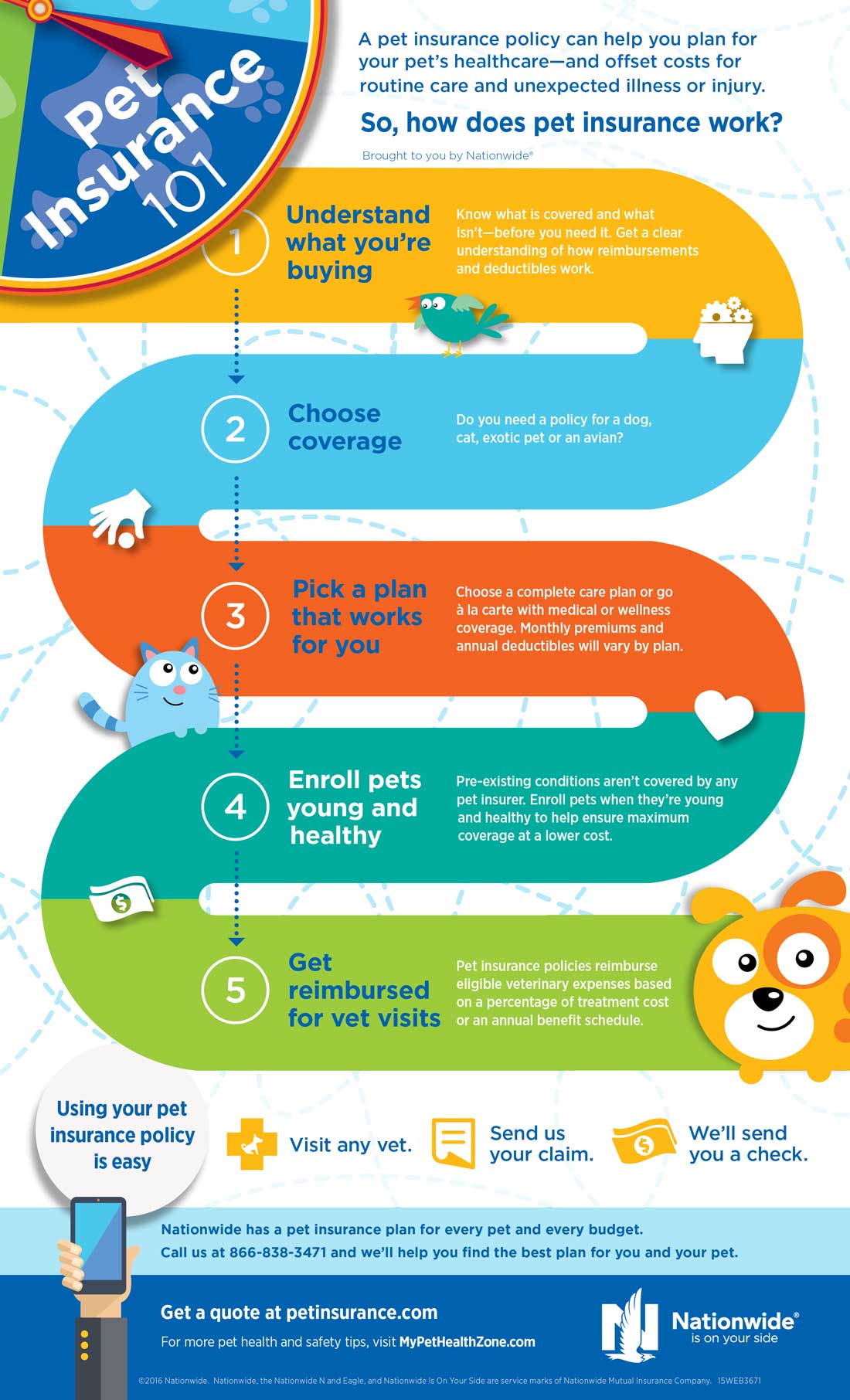
Pet insurance doesn’t work like human health insurance. There’s no direct billing in most cases. Instead, you pay the vet first, submit a claim, and get reimbursed.

Here’s the basic structure:

  1. Monthly premium
    What you pay every month to keep coverage active
  2. Deductible
    The amount you pay out of pocket before reimbursement kicks in
  3. Reimbursement rate
    Usually 70%, 80%, or 90% of eligible costs
  4. Annual or lifetime limits
    The maximum amount the insurer will pay

Coverage generally includes:

  • Accidents
  • Illnesses
  • Surgeries
  • Hospitalization
  • Diagnostic tests
  • Prescription medications

What it usually does not include:

  • Pre-existing conditions
  • Cosmetic procedures
  • Breeding-related care

Understanding these basics makes comparing pet insurance in USA far easier.


What’s New With Pet Insurance in USA for 2026

The pet insurance market has matured. In 2026, several trends stand out:

  • Higher annual limits, including unlimited plans
  • Faster claim processing, often within days
  • Expanded coverage for older pets
  • Optional wellness and preventive care add-ons
  • Better mobile apps and digital claim tracking

Competition has pushed insurers to simplify policies and improve transparency. That’s good for consumers, but only if you know what to look for.


Best Pet Insurance Providers in USA 2026

https://americanpetinsurance.com/images/apic-logo.png
https://d1s4x43kddxec0.cloudfront.net/images/pawlicy-open-graph-image-v2.png
https://media-cldnry.s-nbcnews.com/image/upload/newscms/2018_37/2562501/checkbook_graphic_2_-_rating_companies.jpg

4

Below are the top providers for pet insurance in USA in 2026, based on coverage quality, pricing flexibility, claim experience, and reputation.


Healthy Paws

Healthy Paws remains a leader for one reason: simplicity.

Why it stands out

  • Unlimited lifetime benefits
  • Fast claims processing
  • Covers alternative treatments like chiropractic care

Things to know

  • No wellness plans
  • Premiums increase with age

Healthy Paws works best for owners who want strong accident and illness coverage without distractions.


Lemonade Pet Insurance

Lemonade brings a modern, app-first approach to pet insurance in USA.

Why it stands out

  • Affordable base plans
  • Customizable coverage
  • Excellent mobile experience

Things to know

  • Requires bundling with renters or homeowners insurance in some states
  • Newer to pet insurance than some competitors

For tech-savvy owners who want control and transparency, Lemonade is hard to ignore.


Embrace

Embrace offers some of the most flexible plans in the market.

Why it stands out

  • Adjustable deductibles and reimbursements
  • Wellness rewards program
  • Covers behavioral therapy

Things to know

  • Annual limits apply unless you choose higher tiers
  • Slightly more complex policies

Embrace is ideal if you want to fine-tune coverage around your budget.


Trupanion

Trupanion focuses on serious medical care.

Why it stands out

  • No payout limits
  • Direct vet payments at participating clinics
  • Per-condition deductibles

Things to know

  • Higher premiums
  • No wellness coverage

Trupanion is popular among owners of breeds prone to genetic conditions.


Nationwide Pet Insurance

Nationwide is one of the oldest names in pet insurance in USA.

Why it stands out

  • Exotic pet coverage
  • Comprehensive wellness options
  • Wide availability

Things to know

  • Benefit schedules on some plans
  • Claims may take longer

Nationwide works well for households with multiple or unusual pets.


Comparing Pet Insurance in USA: What Actually Matters

Price alone doesn’t tell the story. Here’s what deserves your attention.

Coverage Depth

Does the policy cover chronic conditions? Genetic issues? Cancer treatments?

Deductible Structure

Annual deductibles reset once per year. Per-condition deductibles can be better for long-term illnesses.

Reimbursement Speed

Waiting weeks for reimbursement defeats the purpose.

Exclusions

Read the list. Carefully. Pre-existing conditions are standard exclusions, but definitions vary.


Pet Insurance for Dogs vs Cats in USA

Dogs usually cost more to insure. They’re more accident-prone and tend to develop breed-specific issues.

Cats, on the other hand, are cheaper to insure but often underinsured. Indoor cats still face risks like urinary blockages or kidney disease.

In both cases, enrolling early reduces exclusions and lowers premiums long-term.


Is Pet Insurance in USA Worth It?

Let’s be honest. Some owners will never file a major claim. Others will save tens of thousands of dollars.

Pet insurance makes sense if:

  • You want predictable expenses
  • You’d struggle with large emergency bills
  • Your pet is young, active, or breed-prone to illness

It’s less useful if:

  • You have a large emergency fund
  • Your pet is already elderly with known conditions

For most Americans, though, pet insurance in USA provides peace of mind that’s hard to price.


Common Mistakes Pet Owners Make

  1. Waiting too long to enroll
  2. Ignoring exclusions
  3. Choosing the cheapest plan blindly
  4. Skipping dental and chronic care coverage
  5. Assuming all vets accept direct billing

Avoid these, and you’re already ahead.


How to Choose the Best Pet Insurance in USA for Your Needs

Ask yourself:

  • Can I handle a $5,000 surprise bill?
  • Does my pet have breed-specific risks?
  • Do I want wellness coverage or just emergencies?
  • How much paperwork am I willing to deal with?

The right plan balances cost, coverage, and convenience.


The Future of Pet Insurance in USA

By 2030, pet insurance adoption is expected to double. AI-driven diagnostics, genetic testing, and personalized premiums are already on the horizon.

In 2026, though, the biggest advantage remains simple: financial freedom to care for your pet properly.


Final Thoughts

Pet insurance in USA is no longer optional for many households. It’s a practical response to rising veterinary costs and better medical options for pets.

The best plan isn’t the most expensive or the most advertised. It’s the one that fits your pet’s life and your financial reality.

Take your time. Read the fine print. And choose with clarity.

Your pet depends on you.

Car Insurance Trends Shaping the USA in 2026

Car insurance in the USA is not what it used to be. And by 2026, the shift is impossible to ignore.

Here’s the thing. Car insurance has always been reactive. You bought a policy, paid a premium, and hoped you never had to use it. In 2026, car insurance is becoming something very different. It’s data-driven, personalized, tech-heavy, and deeply tied to how, when, and even where you drive.

This isn’t about buzzwords or hype. It’s about real changes affecting premiums, coverage options, claims, and even who actually needs traditional car insurance at all.

Let’s break it down.


The State of Car Insurance in 2026

Car insurance in 2026 exists at the intersection of technology, regulation, and shifting consumer behavior. Several forces are pushing the industry forward at the same time.

First, cars themselves have changed. Advanced driver assistance systems, electric drivetrains, constant connectivity, and early-stage autonomous features are now common. Second, drivers are behaving differently. Ride-sharing, remote work, flexible schedules, and urban mobility options all affect how often people drive.

Third, insurers are under pressure. Repair costs are up. Medical expenses are up. Climate-related claims are up. At the same time, customers expect lower premiums and faster claims.

What this really means is that car insurance in the USA is evolving from a static product into a living system that adjusts to risk in real time.


How Technology Is Reshaping Car Insurance

Technology is the single biggest factor redefining car insurance in 2026.

Telematics Is No Longer Optional

Usage-based insurance has gone mainstream. Telematics devices and app-based tracking are now standard options, not niche programs.

Insurers measure:

  • Speed patterns
  • Braking behavior
  • Time of day driving
  • Mileage
  • Road types used

Safe drivers benefit the most. If you drive less, avoid rush hour, and maintain smooth habits, your car insurance premium reflects that. Bad driving habits cost more. There’s no hiding from the data anymore.

AI-Powered Underwriting and Claims

Artificial intelligence plays a central role in car insurance decisions in 2026.

Underwriting that once took days now happens in minutes. AI analyzes driving data, vehicle specs, location risk, and even repair cost projections to generate pricing.

Claims have changed too. Many minor accidents are processed automatically. Photos from your phone, combined with AI damage assessment, can trigger instant payouts for eligible claims. Human adjusters focus on complex or disputed cases.

This speeds things up, but it also raises questions about transparency. Drivers want to know how decisions are made, not just accept them.


Electric Vehicles and Their Impact on Car Insurance

Electric vehicles are no longer rare. By 2026, EV adoption has crossed a critical threshold in the USA, and car insurance has had to adapt.

Why EV Insurance Is Different

Electric cars are packed with expensive components. Batteries, sensors, and specialized materials raise repair costs. Even minor collisions can lead to higher claim amounts.

As a result:

  • EV insurance premiums are often higher than comparable gas vehicles
  • Total loss thresholds are reached faster
  • Specialized repair networks matter more than ever

At the same time, EVs often come with advanced safety features that reduce accident frequency. This creates a balancing act for insurers.

Incentives and Specialized Coverage

Many insurers now offer EV-specific car insurance policies. These include:

  • Battery replacement coverage
  • Charging equipment protection
  • Coverage for software-related issues
  • Discounts for environmentally friendly driving habits

Car insurance in 2026 is no longer one-size-fits-all. Vehicle type plays a major role in pricing and coverage design.


Autonomous and Semi-Autonomous Driving Changes the Risk Model

Full self-driving cars are not yet universal in 2026, but partial automation is everywhere.

Lane-centering, adaptive cruise control, automatic emergency braking, and hands-free highway driving systems are common. These features reduce certain types of accidents but introduce new questions.

Who is responsible when a system fails?
The driver?
The manufacturer?
The software provider?

Car insurance in the USA is slowly adjusting to this reality.

Shifting Liability Models

Traditional car insurance places responsibility squarely on the driver. In 2026, that assumption is being challenged.

Some insurers now offer hybrid liability models where:

  • Driver error is covered under standard liability
  • System malfunction triggers product liability claims
  • Insurers coordinate with manufacturers behind the scenes

For drivers, this complexity is mostly invisible. What matters is that coverage remains valid even when automation is involved.


Climate Risk and Its Effect on Car Insurance Premiums

Climate-related damage is one of the fastest-growing cost drivers in car insurance.

Floods, wildfires, hailstorms, and hurricanes are more frequent and more severe. Vehicles are increasingly exposed to environmental risk, even when parked.

In 2026, car insurance pricing reflects this reality.

Location-Based Premium Adjustments

Where you live matters more than ever. Insurers analyze hyper-local climate data to assess risk.

If you live in an area prone to:

  • Flooding
  • Wildfires
  • Severe storms

You will likely see higher comprehensive coverage costs. Some insurers even require additional deductibles for climate-related claims.

This isn’t about punishment. It’s about math. Repairing or replacing vehicles after natural disasters is expensive, and car insurance pricing reflects real-world risk.


The Rise of Pay-Per-Mile and Flexible Car Insurance

Not everyone drives the same way anymore. Remote work alone has changed mileage patterns across the USA.

Car insurance in 2026 finally reflects that.

Pay-Per-Mile Goes Mainstream

Low-mileage drivers benefit from pay-per-mile car insurance models. These policies charge:

  • A base monthly rate
  • A per-mile fee based on actual driving

For people who drive under 8,000 miles per year, this can lead to significant savings.

On-Demand and Short-Term Coverage

Short-term car insurance is also growing. This includes:

  • Coverage by the hour or day
  • Temporary policies for rental or borrowed vehicles
  • Flexible coverage adjustments through mobile apps

Insurance is starting to behave more like a subscription than a rigid contract.


Privacy Concerns and Data Ownership

Here’s where things get complicated.

Car insurance in 2026 relies heavily on data. Driving behavior, vehicle diagnostics, location tracking, and even biometric inputs from in-car systems all feed into risk models.

Drivers are asking valid questions:

  • Who owns this data?
  • How long is it stored?
  • Can it be shared or sold?

Regulations vary by state, but transparency requirements are increasing. Insurers must clearly explain how data is used and give drivers more control over opt-in features.

Trust is becoming a competitive advantage in the car insurance market.


State Regulations and the Patchwork Problem

Car insurance in the USA has always been regulated at the state level. In 2026, this creates challenges.

Some states encourage innovation, allowing usage-based pricing and AI underwriting. Others impose stricter consumer protection rules that limit data usage.

For drivers who move or travel frequently, this can lead to inconsistencies in coverage and pricing.

Insurers are responding by:

  • Offering state-compliant policy versions
  • Building flexible platforms that adapt to local rules
  • Educating customers more clearly about coverage differences

How Claims Experience Has Changed

The claims process used to be the most frustrating part of car insurance. In 2026, it’s one of the most improved areas.

Faster, Simpler, More Digital

Most insurers now offer:

  • Instant claim reporting via apps
  • AI-powered damage estimates
  • Real-time claim status tracking
  • Digital payments within days, sometimes hours

For straightforward accidents, human involvement is minimal. For serious incidents, human adjusters and specialists step in.

The result is less waiting and fewer phone calls.


What Drivers Should Look for in Car Insurance in 2026

Choosing car insurance in 2026 requires a different mindset.

Here’s what actually matters now.

Transparency Over Promises

Look for insurers that explain pricing clearly. If a premium changes, you should know why. Vague explanations are a red flag.

Customization Options

Your policy should adapt to your life. Mileage, vehicle usage, driving patterns, and coverage levels should all be adjustable without penalty.

Strong Digital Tools

A good mobile app is no longer optional. Policy management, claims, payments, and support should all be accessible digitally.

Fair Data Practices

Understand what data is collected and how it’s used. Opt-in programs should offer real value, not just surveillance.


The Future Beyond 2026

Car insurance will keep evolving.

As automation improves, liability may shift further away from drivers. As urban mobility expands, personal car ownership may decline in some areas. As climate risk increases, insurers will continue refining how they price and manage exposure.

What stays constant is the core purpose of car insurance. Protection. Financial stability. Peace of mind.

The difference in 2026 is that car insurance is finally catching up to how people actually drive.


Final Thoughts

Car insurance in 2026 in the USA is smarter, more flexible, and more complex than ever before. It rewards safe behavior, adapts to new technology, and reflects real-world risk with greater accuracy.

For drivers, this is mostly good news. If you understand how your policy works and choose coverage that matches your lifestyle, you can save money and avoid surprises.

The key is engagement. Car insurance is no longer something you buy once and forget. It’s something you manage, adjust, and understand.

That shift defines car insurance in 2026.

Top Universities in 2026 in USA for Graduation & MBA Programs

Let’s get straight to it. The top universities in 2026 in USA are no longer judged only by reputation. They’re judged by internships, hiring pipelines, industry exposure, and long-term career outcomes. Students planning graduation or an MBA in 2026 need universities that convert education into opportunity.

This guide focuses clearly on the top universities in 2026 in USA, with detailed insight into programs, internships, and companies that actively hire from them.


Why Top Universities in 2026 in USA Matter More Than Ever

Here’s the thing. The job market in 2026 is competitive, global, and skill-driven. Degrees alone don’t open doors. Universities that rank among the top universities in 2026 in USA succeed because they:

  • Embed internships into academics
  • Partner directly with global employers
  • Offer real-world projects, not just exams

What this really means is better placement, higher salaries, and faster career growth.


Top Universities in 2026 in USA for Graduation Programs

https://college.harvard.edu/sites/default/files/styles/billboard_image_medium/public/2019-05/widener.jpg?itok=yAwoS2cM&utm_source=chatgpt.com
https://visit.stanford.edu/assets/cardinal/images/explore-campus/architecture-landscape.jpg?utm_source=chatgpt.com
https://upload.wikimedia.org/wikipedia/commons/1/1a/MIT_Main_Campus_aerial.jpg?utm_source=chatgpt.com

Top Universities in 2026 in USA: Harvard University

Harvard remains a leader among the top universities in 2026 in USA for undergraduate education. Its graduation programs in economics, computer science, life sciences, and public policy are globally respected.

Internships at Harvard University (Graduation)

Harvard students access internships from their first year.

Popular internship options include:

  • Research internships at Harvard labs
  • Summer analyst roles in finance and consulting
  • Government and policy internships
  • Tech internships via cross-registration programs

Harvard also funds unpaid internships, making opportunities accessible to all students.

Top Companies Hiring from Harvard

  • Google
  • McKinsey & Company
  • Goldman Sachs
  • Microsoft
  • Amazon
  • Meta
  • Bain & Company

Top Universities in 2026 in USA: Stanford University

Stanford continues to dominate lists of the top universities in 2026 in USA, especially for technology and entrepreneurship-focused graduation programs.

Internships at Stanford University (Graduation)

Stanford offers direct access to Silicon Valley internships.

Key internship paths include:

  • Software engineering internships
  • Product management roles
  • AI and machine learning research
  • Startup and venture capital internships

Many students intern year-round, not just during summer.

Top Companies Hiring from Stanford

  • Google
  • Apple
  • Tesla
  • NVIDIA
  • Meta
  • OpenAI
  • Netflix
  • Airbnb

Top Universities in 2026 in USA: Massachusetts Institute of Technology

MIT remains one of the most technical top universities in 2026 in USA, ideal for students focused on engineering and applied sciences.

Internships at MIT (Graduation)

MIT’s internship culture is research and innovation driven.

Common internships include:

  • Engineering roles in aerospace and defense
  • AI and robotics research internships
  • Clean energy and sustainability projects
  • Advanced manufacturing internships

Students often graduate with multiple paid research internships.

Top Companies Hiring from MIT

  • Google
  • Amazon
  • SpaceX
  • Lockheed Martin
  • IBM
  • Intel
  • Boeing

Top Universities in 2026 in USA for MBA Programs

https://mba.wharton.upenn.edu/wp-content/plugins/martech-chupacabra/includes/images/Wharton-Logo-RGB.png?utm_source=chatgpt.com
https://www.gsb.stanford.edu/sites/default/files/styles/webp/public/stanford_day2-033.jpg.webp?itok=TrNhQYTE&utm_source=chatgpt.com
https://admitexpert.com/wp-content/uploads/2022/11/Harvard-Business-School.webp?utm_source=chatgpt.com

Top Universities in 2026 in USA: Wharton School of the University of Pennsylvania

Wharton continues to rank among the top universities in 2026 in USA for MBA education, especially in finance, analytics, and strategy.

MBA Internships at Wharton

Wharton MBA internships are structured and recruiter-driven.

Popular roles include:

  • Investment banking summer associate
  • Management consulting internships
  • Corporate finance roles
  • Product strategy internships

Most internships convert into full-time offers.

Top Companies Hiring from Wharton

  • Goldman Sachs
  • JPMorgan Chase
  • Morgan Stanley
  • McKinsey & Company
  • Bain & Company
  • BCG
  • Amazon

Top Universities in 2026 in USA: Stanford Graduate School of Business

Stanford GSB is consistently listed among the top universities in 2026 in USA for leadership and entrepreneurship-focused MBAs.

MBA Internships at Stanford GSB

Stanford GSB internships lean toward innovation and growth.

Internship options include:

  • Venture capital internships
  • Product leadership roles
  • Startup founder internships
  • Strategy roles at tech firms

Many students intern at startups they later help scale.

Top Companies Hiring from Stanford GSB

  • Google
  • Meta
  • Apple
  • Tesla
  • Sequoia Capital
  • Andreessen Horowitz

Top Universities in 2026 in USA: Harvard Business School

Harvard Business School continues to define leadership education among the top universities in 2026 in USA.

MBA Internships at Harvard Business School

HBS students access internships across consulting, finance, and leadership roles.

Common internships include:

  • Consulting internships
  • Private equity and venture capital roles
  • Corporate leadership programs
  • Social impact internships

HBS reports one of the highest internship-to-job conversion rates.

Top Companies Hiring from HBS

  • McKinsey & Company
  • Bain & Company
  • BCG
  • Blackstone
  • Goldman Sachs
  • Amazon

How Top Universities in 2026 in USA Drive Career Success

What separates the top universities in 2026 in USA is execution.

They provide:

  • Career coaching from day one
  • Alumni-led internship referrals
  • Employer-sponsored live projects
  • Global internship exchanges

Students don’t wait until graduation. Careers begin on campus.


Graduation vs MBA at Top Universities in 2026 in USA

Graduation students gain:

  • Early industry exposure
  • Multiple internships before finishing
  • Strong technical and analytical foundations

MBA students gain:

  • Leadership-track roles
  • Faster promotions
  • Higher long-term earning potential

Both paths work. The right choice depends on experience and goals.


Final Thoughts on Top Universities in 2026 in USA

The top universities in 2026 in USA remain the strongest global destinations for graduation and MBA studies. They combine education with internships, hiring access, and real-world impact.

If your goal is not just a degree, but a career that scales, these universities deliver.

Why Hiring a Google Cloud Platform Consultant Makes Business Smarter

Introduction: Why Businesses Are Turning to a Google Cloud Platform Consultant

Every year, more companies shift their systems, data, and applications to the cloud. But the moment they start planning that move, something becomes immediately clear: cloud technology is powerful, but it’s also complex. It isn’t just about choosing Google Cloud and clicking a few buttons. It requires planning, architecture, integrations, security, cost control, and long-term management.

That’s where a Google Cloud Platform consultant comes in. This specialist helps businesses understand what Google Cloud can actually do, builds a strategy that matches the company’s goals, and designs a cloud environment that works efficiently without wasting money.

A strong Google Cloud Platform consultant isn’t just someone who knows GCP inside out. They also understand how real businesses operate — from security concerns to scalability demands to cost pressures. They bridge the gap between technology and practical business results.

The cloud is no longer optional. Businesses that want to grow, automate, and operate efficiently need a stable, scalable foundation. Partnering with a Google Cloud Platform consultant helps them get there faster, without the usual mistakes or growing pains.


What a Google Cloud Platform Consultant Actually Does

The term “Google Cloud Platform consultant” sounds broad, and that’s because the job covers a wide range of responsibilities. This is exactly what makes the role so valuable.

Here’s what a seasoned Google Cloud Platform consultant typically handles:

1. Cloud Architecture Design

They design the underlying structure of your cloud environment — everything from virtual machines to storage buckets to networking and security layers.

2. Cloud Migration Strategy

A consultant decides how your applications and data will move to Google Cloud with minimal downtime.

3. App Modernization

A Google Cloud Platform consultant helps identify outdated systems and explains how to refactor or rebuild them for cloud efficiency.

4. Security Planning

GCP has strong security features, but only if they’re configured properly. A consultant sets up IAM, encryption, firewalls, and compliance controls.

5. Cost Optimization

Google Cloud bills based on usage. Without proper planning, bills skyrocket. An expert analyzes your needs and sets up a cost-efficient design.

6. Performance Optimization

They ensure your applications run smoothly, scale automatically, and stay reliable even during peak load.

7. Training & Mentorship

Teams often need help adapting to cloud tools. A good Google Cloud Platform consultant trains your staff, documents the architecture, and sets up best practices.

In short, a consultant handles both the strategy and the technical execution, making them essential in both small and large organizations.


Why Companies Hire a Google Cloud Platform Consultant Instead of Doing It Alone

Some companies think they can handle cloud adoption on their own. But once they start, they discover how easily small mistakes turn into big costs. Here’s why hiring a Google Cloud Platform consultant is often the smarter move.

1. Faster Implementation

A consultant already knows what works. They’ve done it before and avoid trial-and-error mistakes.

2. Lower Costs

Misconfigured cloud resources can burn through budgets quickly. A Google Cloud Platform consultant sets everything up efficiently from day one.

3. Maximum Use of GCP Tools

Google Cloud has dozens of services — BigQuery, Cloud Run, Kubernetes Engine, Firestore, App Engine, and more. Most companies only use 10% of what they pay for. A consultant ensures you use the right services at the right scale.

4. Better Security

One weak configuration can expose your systems. Consultants follow strict security patterns and keep your environment safe.

5. Smoother Migration

Moving databases, apps, workloads, and virtual machines requires planning. A Google Cloud Platform consultant handles this without disrupting daily operations.

6. Clear Cloud Strategy

Businesses often jump into cloud adoption without understanding future growth. A consultant builds a roadmap that supports long-term goals.

7. Reduced Stress on Internal Teams

Your team focuses on what they do best. The consultant takes care of the cloud complexity.

When companies see this list, they quickly understand why the role of a Google Cloud Platform consultant has become crucial.


Key Skills You Should Expect in a Google Cloud Platform Consultant

A strong consultant isn’t just someone who passed a certification. They combine experience, technical depth, and business understanding. Here are the skills that matter most.

1. Deep knowledge of core GCP services

A Google Cloud Platform consultant should be comfortable with:

  • Compute Engine
  • Kubernetes Engine
  • Cloud Run
  • BigQuery
  • Cloud Storage
  • VPC and Networking
  • Cloud Functions
  • IAM and Security Tools
  • Cloud SQL / Firestore / Bigtable

2. Cloud Architecture Expertise

They must understand how to build scalable, resilient cloud environments using Google Cloud architecture best practices.

3. Migration Experience

Moving apps, VMs, and databases is one of the biggest challenges. A consultant should have hands-on experience with complex migrations.

4. Security Engineering

Identity management, encryption, least privilege, network isolation, and audit logging must be second nature.

5. Business & Problem-Solving Skills

A consultant must translate business requirements into technical decisions.

6. Communication & Documentation

Good communication ensures your team can manage the cloud after the consultant leaves.


How a Google Cloud Platform Consultant Helps With Cloud Migration

Migration is where most businesses struggle. A Google Cloud Platform consultant uses a structured approach that reduces risk and speeds up the process.

Step 1: Assessment

They analyze your current infrastructure and decide what should move, what should stay, and what should be modernized.

Step 2: Planning

They map out timelines, costs, dependencies, and risks.

Step 3: Architecture

They design your target GCP setup.

Step 4: Testing

Small workloads and databases are migrated first.

Step 5: Full Migration

The bulk move happens with minimal downtime.

Step 6: Optimization

After migration, they tune costs, speed, and security.

This end-to-end process ensures your move to GCP is smooth.


How a Google Cloud Platform Consultant Helps With Cost Optimization

A common complaint about cloud platforms is rising bills. The cloud doesn’t have to be expensive; it just needs to be configured correctly. Here’s what a Google Cloud Platform consultant does to keep costs down:

1. Right-sizing resources

Many companies run machines larger than needed. A consultant analyzes usage patterns and adjusts resources appropriately.

2. Using serverless tools

Cloud Run, Cloud Functions, and App Engine help businesses pay only when they actually use computing power.

3. Configuring autoscaling

Instead of running full capacity all day, autoscaling adjusts resources based on traffic.

4. Secure budget alerts

Consultants set up alerts that warn you before costs rise unexpectedly.

5. Mapping workloads to cheaper regions

Sometimes moving storage or services to a different Google Cloud region can significantly reduce costs.

With the guidance of a Google Cloud Platform consultant, most companies save anywhere from 20% to 60% on cloud bills.


Why Security Is a Core Part of the Consultant’s Role

Security in the cloud is strategic, especially when dealing with sensitive customer data. A skilled Google Cloud Platform consultant focuses heavily on:

1. Identity and Access Management (IAM)

They ensure every user and service has the correct permissions — no more, no less.

2. Encryption

Data is encrypted at rest and in transit.

3. Network Security

They configure VPCs, firewalls, private services, interconnects, and VPNs.

4. Audit Trails

Every action inside Google Cloud is monitored and logged.

5. Compliance

They help organizations meet regulations like GDPR, PCI DSS, HIPAA, and SOC 2.

Security isn’t optional. A consultant ensures Google Cloud becomes an upgrade, not a vulnerability.


Industries That Benefit Most From a Google Cloud Platform Consultant

While every business can use the cloud, some industries benefit more due to data volume or compliance needs.

Healthcare

Cloud-based patient data, telemedicine, ML models — all need strong security and scalability.

Finance

Banks and fintechs rely on strict compliance and low latency.

Retail & E-commerce

Traffic spikes can overwhelm traditional systems. GCP handles load effortlessly.

Manufacturing

IoT data, automation, and predictive maintenance require cloud analytics.

Startups

They need flexibility, automation, and low-cost scaling.

A Google Cloud Platform consultant helps each industry use GCP’s strengths effectively.


What Makes a Great Google Cloud Platform Consultant — Not Just a Certified One

Certifications matter, but they aren’t everything. The best consultants bring something beyond exam knowledge.

1. Real-world problem-solving

They’ve handled broken systems, urgent migrations, legacy architecture, and complex integrations.

2. Ability to simplify the technical details

Great consultants can explain a Google Cloud architecture in plain language.

3. Long-term thinking

They future-proof your environment.

4. Hands-on experience with automation

Tools like Terraform, Cloud Build, GitOps, and CI/CD pipelines make cloud management smoother.

5. Ownership

They treat your infrastructure like their own.


How to Choose the Right Google Cloud Platform Consultant

When evaluating consultants, consider the following:

  • Do they focus on GCP full-time or part-time?
  • Do they have real migration experience?
  • Can they provide examples of past architecture?
  • Do they follow Google Cloud best practices?
  • How strong is their communication?
  • Do they offer documentation and training?
  • Can they optimize costs?
  • Do they understand your industry?

Choosing well affects long-term performance, security, and budgets.


Benefits You Gain From Hiring a Google Cloud Platform Consultant

1. Faster cloud adoption

Your business avoids delays and confusion.

2. Higher reliability

Systems run smoothly even under heavy load.

3. Better performance

Applications respond faster, and databases scale effortlessly.

4. Stronger security

Your data remains protected, even as the business grows.

5. Smart cost control

You only pay for what you need.

6. Better team productivity

Your developers spend less time fixing infrastructure and more time building products.

7. Future-ready architecture

Your systems are ready for AI, ML, automation, and new technologies.

A Google Cloud Platform consultant becomes a business advantage, not just a technical hire.


Conclusion: Why a Google Cloud Platform Consultant Is Key to Cloud Success

Moving to Google Cloud is one of the smartest steps a modern business can make, but it’s also a step that requires guidance. A Google Cloud Platform consultant ensures that every decision — from architecture to security to cost — supports the company’s goals.

They transform cloud adoption from a risky experiment into a structured, manageable, and highly effective process. Whether you’re migrating data, modernizing applications, cutting costs, scaling your platform, or building AI workflows, the right consultant helps you achieve results faster and more confidently.

If your business is planning to grow, modernize, or innovate, partnering with a Google Cloud Platform consultant is one of the best decisions you can make.

Smart Ways to Use a Data Migration Service for Modern Businesses

ntroduction: Why a Data Migration Service Matters More Than Ever

Most companies eventually face the moment when their old systems can’t keep up anymore. Maybe the database is slowing down. Maybe reports take forever to load. Maybe the platform hasn’t been updated in a decade. Or maybe the business has grown so quickly that the technology sitting behind it simply can’t handle the pressure.

This is where a data migration service steps in. It might sound technical, but the idea is simple: take your data from where it currently lives and move it someplace better. Better doesn’t always mean bigger. Sometimes better means faster, safer, more flexible, or easier to integrate with the rest of your tools.

The challenge is that data migration looks easy from far away but quickly becomes complicated if handled without planning or expertise. A good data migration service removes that stress. It handles the heavy lifting, reduces risk, maintains data quality, and ensures your systems keep running while everything moves behind the scenes.

This guide breaks down exactly how a data migration service works, why companies rely on it, and how it helps businesses stay competitive in a world where data is the engine behind almost everything.


Understanding What a Data Migration Service Actually Does

At its core, a data migration service is responsible for transferring information from one system or environment to another. But here’s the thing most people overlook: data migration isn’t just copying and pasting. It requires structure, mapping, validation, transformation, and security controls.

Think of it like moving to a new home. You don’t just shove everything in boxes. You sort what you need, throw out the junk, label the fragile stuff, and transport everything carefully so nothing breaks. A data migration service does the same for your business data.

The main pieces of a data migration service usually include:

  • Assessing your existing data
  • Cleaning and preparing the data before the move
  • Mapping data fields from the old system to the new one
  • Transforming data into the right format
  • Validating that the migrated data is correct
  • Testing the new system with migrated data
  • Performing the final migration
  • Providing post-migration support

A good provider handles all this without interrupting your daily operations. The goal is to move your data while your team continues working as usual.


Why Companies Turn to a Data Migration Service Instead of Doing It Themselves

Let’s break it down. Moving data sounds like something every IT team should be able to handle. But once businesses see the scale, complexity, and consequences of mistakes, they quickly realize why a specialized data migration service is worth it.

1. Reducing Risk

Data migration mistakes can lead to corruption, data loss, compliance issues, and downtime. A professional data migration service minimizes these risks through testing, validation, and specialized tools.

2. Maintaining Data Integrity

Businesses can’t afford incorrect or inconsistent data. A data migration service applies strict rules so nothing breaks during the move.

3. Saving Time

Data migration can take weeks or months without proper tools or planning. Experts streamline the entire process.

4. Handling Legacy Systems

Older systems often store data in unusual formats. Experienced migration specialists know how to extract and convert that data safely.

5. Ensuring Compliance

If your industry deals with sensitive information—healthcare, finance, legal—your migration must follow rules. A data migration service ensures compliance with regulations like GDPR, SOC2, HIPAA, and more.

6. Avoiding Business Disruption

The best migrations happen quietly in the background so employees can keep working without interruptions.

A strong data migration service isn’t just about moving data. It’s about protecting your business during a critical transition.


The Common Types of Data Migrations Businesses Face

There isn’t just one type of data migration. Businesses use a data migration service for many situations. Here’s a simple look at the most common ones.

1. Storage Migration

This involves moving data from one storage location to another. Sometimes the goal is speed, sometimes cost savings, sometimes security improvements.

2. Database Migration

This is one of the most complicated forms. A database migration involves changing database engines or platforms—like moving from MySQL to PostgreSQL or from an on-premise database to a cloud environment.

A good data migration service makes sure tables, schemas, constraints, and relationships remain intact.

3. Application Migration

When switching business software—CRM, ERP, HR systems—you need data to move correctly into the new platform. This often requires transformations and mapping fields from old systems to new ones.

4. Cloud Migration

This is the most popular migration today. A cloud data migration service helps businesses move from local servers to cloud providers like Google Cloud, AWS, or Azure.

5. Hybrid Migration

Some companies combine cloud and on-prem environments. A data migration service helps bridge these systems without breaking connections.


How a Data Migration Service Plans the Entire Process

Good migrations don’t happen by accident. They’re built on careful planning. Most providers follow a structured lifecycle.

Step 1: Discovery and Assessment

They assess the size, structure, quality, and condition of your current data.

Step 2: Data Cleanup

If there’s duplicate or outdated data, they remove or fix it before moving anything.

Step 3: Mapping and Transforming Data

They figure out how existing data fields will match the new system and convert formats if needed.

Step 4: Test Migration

A test run ensures everything works before the real migration starts.

Step 5: The Final Migration

This often happens during low-traffic hours to avoid disruptions.

Step 6: Validation and Quality Checks

They verify that everything transferred correctly.

Step 7: Post-Migration Support

This helps your team adjust to the new system and resolve any issues.

A professional data migration service always includes this end-to-end structure.


Why Data Quality Makes or Breaks a Migration

If poor data goes into the new platform, the benefits of migration disappear quickly. That’s why a data migration service places a huge focus on data quality.

Here’s the reality:
Many organizations keep outdated, duplicated, or inconsistent data. Moving that data without cleaning it is like carrying old clutter into a new home.

A proper data migration service checks:

  • Are the records complete?
  • Are there duplicates?
  • Are formats consistent?
  • Are values accurate?
  • Are relationships properly defined?

Once cleaned, the migrated data becomes more useful, more reliable, and easier to analyze.


Security Considerations During Data Migration

Data is one of your biggest assets. Losing it—or having it leak—can be catastrophic. That’s why a secure data migration service always includes layers of protection.

Encryption

Data should be encrypted at rest and in transit.

Access Controls

Only authorized individuals should access datasets during the migration.

Audit Logs

Every action should be tracked for compliance and security.

Secure Transfer Protocols

Modern transfer mechanisms prevent unauthorized access or interception.

Backup and Restore Procedures

A backup ensures your business has a safety net at all times.

With the right data migration service, your information stays protected from start to finish.


Signs Your Business Needs a Data Migration Service Now

Sometimes businesses wait so long that their systems start breaking down. Here are signs that it’s time for professional help:

  • Your software is outdated
  • Reports take too long to generate
  • Integrations fail frequently
  • Your team wastes time manually correcting bad data
  • You’re expanding and need a scalable system
  • You’re moving to a cloud platform
  • Compliance requirements are changing
  • You’re acquiring another company
  • Your database is near capacity

If any of these sound familiar, a data migration service can save you from even bigger problems later.


The Advantages of Using a Professional Data Migration Service

1. Reduced Downtime

Your business keeps running while the migration happens.

2. Higher Data Accuracy

Cleaner, structured, conflict-free data flows into your new system.

3. Better System Performance

With correctly migrated data, applications run faster and more efficiently.

4. Cost Savings

Fixing migration mistakes later is far more expensive than doing it right the first time.

5. Faster Implementation of New Platforms

You start using your new system sooner.

6. Scalability

A strong migration sets a foundation for future growth.


Choosing the Right Data Migration Service Provider

Not all providers are equal. Here’s what you should look for:

  • Experience with your specific systems
  • Strong security practices
  • Clear communication
  • Testing processes
  • Validation procedures
  • Ability to handle large datasets
  • Experience with both cloud and on-prem migrations
  • Positive client reviews
  • Transparent pricing

You want a partner, not just a vendor. A professional data migration service works with your team closely and takes accountability for the entire process.


How a Data Migration Service Improves Overall Business Performance

The benefits don’t stop at the move. Once you transition to a better system, the real impact begins.

Improved decision-making

Clean, structured data gives you clearer insights.

Faster applications

Your team gets work done faster.

Better integrations

Modern platforms connect more easily to other tools.

Stronger customer experiences

Accurate data helps personalize services, automate support, and speed up responses.

Enhanced security

Newer platforms come with better built-in protections.

Ultimately, a data migration service becomes the foundation for long-term digital growth.


Conclusion: Why a Data Migration Service Is No Longer Optional

At this point, almost every business relies on digital systems. That means your data is one of your most valuable assets. When you upgrade platforms, expand operations, or adopt cloud technologies, moving that data safely and correctly becomes essential.

A reliable data migration service ensures that your information stays accurate, intact, and secure throughout the entire process. It helps your business modernize without disruption and positions you for future growth.

If you want speed, safety, and long-term performance, a professional data migration service is the smartest move you can make.